
Rev. Fr. Ben Chima Okolo commenced the event with a heartfelt prayer and an insightful introductory speech. His words set a thoughtful tone, providing guidance and context for the discussions ahead.
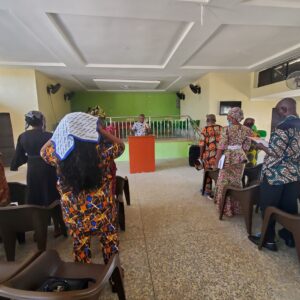
The Justice Development and Peace Caritas (JDPC) Nnewi, in collaboration with the International Budget Partnership (IBP), Community Development Network (COMEN), and Civil Rights Concern (CRC), organized a capacity-building workshop at Njikoka LGA. The program, held under the Strengthening Public Accountability for Results and Knowledge (SPARK 2) project, brought together Health Center Officers-in-Charge (OICs) and Ward Development Committee (WDC) chairpersons from Anambra Central Senatorial District.
Onyekachi Ololo, the SPARK Program Manager for JDPC Nnewi, described the workshop as a pivotal element of a broader strategy to transform primary healthcare service delivery. He stressed that the initiative seeks to drive a systemic shift by improving the efficiency, accessibility, and quality of healthcare services, ultimately leading to better health outcomes for the community. By building the capacity of local health management teams, the program aims to empower them to effectively address the healthcare challenges and needs of their populations.

The session marked a significant step in empowering participants to critically engage with the realities of the healthcare system and uncover opportunities for meaningful improvements. It was designed to provide them with the essential knowledge, practical skills, and tools required to tackle existing challenges head-on. The ultimate goal was to enable them to foster transformative change and enhance the overall efficiency, accessibility, and quality of healthcare delivery in their communities. By cultivating a thorough understanding of the obstacles they face and the opportunities at hand, the program aimed to prepare participants to take strategic, informed actions that drive sustainable progress in their roles.
Mrs. Ugochi Ehiahuruike, the SPARK II COMEN Consultant, explained that the program aims to strengthen the capacity of Ward Development Committees (WDCs) and Officers-in-Charge (OICs) of healthcare facilities across all local government areas in the state. The initiative focuses on equipping these stakeholders with the necessary tools and knowledge to improve healthcare service delivery and outcomes

She further noted that the program seeks to ensure women’s voices are heard and valued within the community, advocating for their representation in Ward Development Committees (WDCs) to foster inclusive decision-making and actions.
“SPARK II is focused on enhancing maternal care, with BCHPF serving as the foundation for our efforts. The program is designed to deepen the understanding of Officers-in-Charge (OICs) on key aspects of healthcare, empowering them to improve the services they provide to the community. It emphasizes that healthcare is not only a professional responsibility but also a humanitarian one. As such, OICs are encouraged to demonstrate empathy toward patients, aiming to create a positive experience that improves their well-being and ensures they leave in better health than when they arrived.”
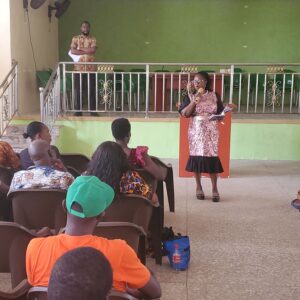
During her presentation on “Current Status, Challenges, and Solutions in Maternal Health Care Service Delivery in Anambra State,” Mrs. Chizoba Igboekweze, a healthcare official, highlighted several key challenges facing the sector, including inadequate remuneration, insufficient funding, and the poor condition of healthcare facilities. She called for increased government intervention to ensure more efficient healthcare services.
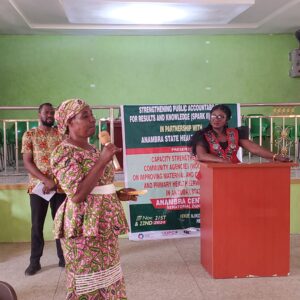
Obiageli Uchebo, the Permanent Secretary of the State Ministry of Health, urged participants to ramp up sensitization efforts and campaigns to boost the patronage of Primary Healthcare Centers. She also emphasized the need for clear work plans to achieve the goals of the Basic Health Care Provision Fund (BHCPF) in the state.
Other speakers guided participants on their roles and responsibilities at the facility, local government, and agency levels. Additionally, participants engaged in sessions on developing work plans and understanding the retirement process of the Basic Health Care Provision Fund (BHCPF).
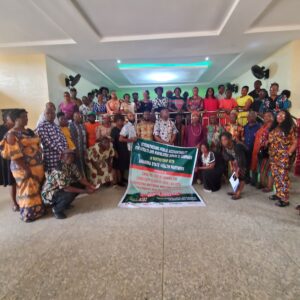
Other key highlights of the exercise included interactive Q&A sessions, group work, and presentations.