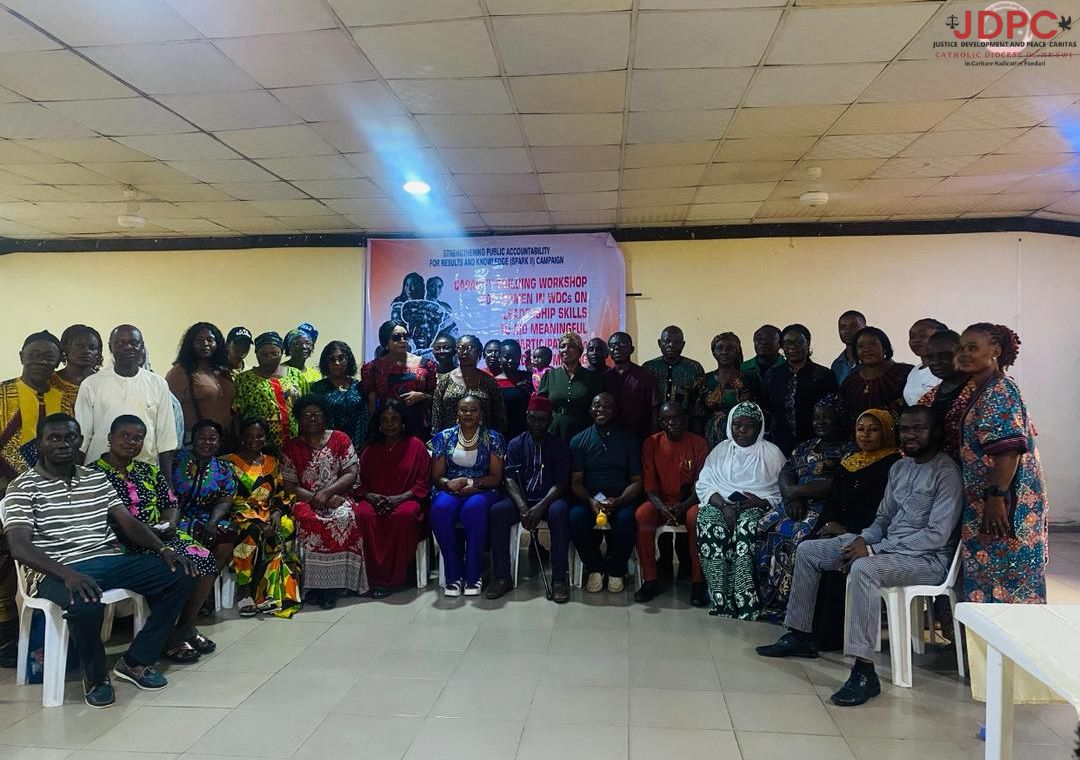
The opening prayer and introductory speech were led by Rev. Fr. Ben Chima Okolo, setting the tone for the event with a heartfelt prayer and an insightful introduction. His words provided a meaningful start to the proceedings, offering guidance and context for the discussions to follow.
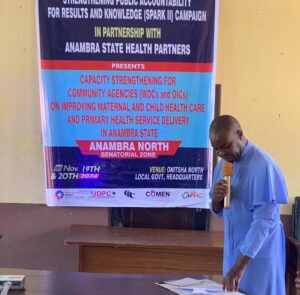
The capacity-building workshop, conducted at Onitsha North LGA by Justice Development and Peace Caritas, (JDPC), Nnewi.
Under the Strengthening Public Accountability for Results and Knowledge (SPARK 2) project, supported by the International Budget Partnership (IBP), the Community Development Network (COMEN) and Civil Rights Concern (CRC) held a program for OICs and WDC chairpersons from Anambra North Senatorial District.
Onyekachi Ololo, the SPARK Program Manager for JDPC Nnewi, emphasized that the capacity-building session is an integral part of a comprehensive strategic approach aimed at transforming primary healthcare service delivery. He highlighted that the goal is to foster a systemic shift that enhances the effectiveness and accessibility of healthcare services, ultimately leading to improved health outcomes for the community. Through this initiative, the program seeks to build stronger capacities within local health management teams, enabling them to better address the healthcare needs of the population.
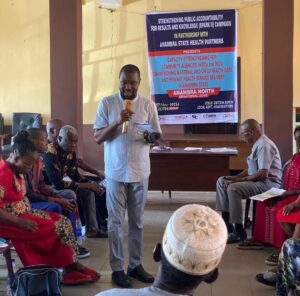
“It was a crucial step in empowering participants to not only confront the realities of the healthcare system but also to identify and seize opportunities for improvement. The session aimed to equip them with the skills and knowledge needed to address existing challenges, enabling them to drive positive change and enhance the overall effectiveness of healthcare delivery in their communities. By fostering a deeper understanding of both the obstacles and opportunities, the program sought to prepare participants to take proactive, informed actions in their roles.”
Mrs. Ugochi Ehiahuruike, the SPARK II COMEN Consultant, stated that the program was designed to strengthen Ward Development Committees (WDCs) and Officers-in-Charge (OICs) of facilities in all local government areas of the state.
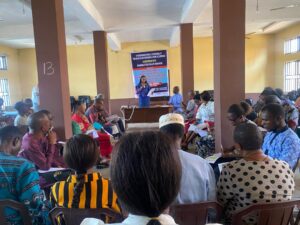
She added that the program aims to ensure that women’s voices are valued in the community and that they are represented in Ward Development Committees (WDCs) to promote inclusive actions.
“SPARK II aims to improve maternal care, with BCHPF as the starting point for our efforts. The initiative is designed to ensure that Officers-in-Charge (OICs) gain a deeper understanding of key aspects of healthcare, allowing them to enhance the services they provide to citizens. The program underscores that healthcare is not just a professional service, but also a humanitarian one. Therefore, OICs are encouraged to show empathy toward patients, striving to create a positive experience by improving their well-being and ensuring they leave in a better state than when they arrived”
Chisom Uchem, Executive Secretary of the State Primary Health Care Development Agency, represented by Chizoba Igboekweze, highlighted the training’s value for OICs and WDC chairpersons.
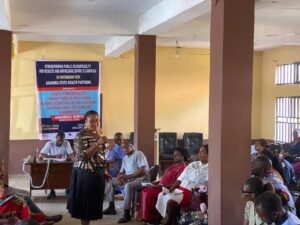
“I sincerely appreciate the organizers for this timely intervention, which enhances the work we are already doing. Effective collaboration and the proper discharge of responsibilities by OICs and WDCs are critical steps toward improving healthcare delivery. When these roles are executed as intended, it will significantly impact the overall health outcomes and well-being of communities across the state.”
Dr. Ngozi Okeke, the Director of Community Health Services at the agency and Director of PHC for Awka South Local Government Health Authority, delivered a presentation titled “Maternal Health in Anambra State: Current Status, Challenges, and Solutions.” She emphasized that maternal health has seen remarkable progress in the state, largely due to the introduction of the free antenatal care (ANC) and delivery program. Dr. Okeke further highlighted how this initiative has contributed to reducing barriers to accessing maternal healthcare and improving outcomes for pregnant women and new mothers.
The training, delivered in partnership with the Anambra State Primary Healthcare Development Agency (ASPHCDA), offered participants a thorough insight into their roles and responsibilities at the facility, local government, and agency levels. In addition to these core responsibilities, the sessions focused on developing effective work plans and understanding the processes involved in the retirement of the Basic Healthcare Provision Fund (BHCPF). These training modules were designed to empower participants with practical skills and knowledge, enabling them to improve healthcare service delivery, enhance accountability, and ensure the efficient management of healthcare funds within their respective areas.
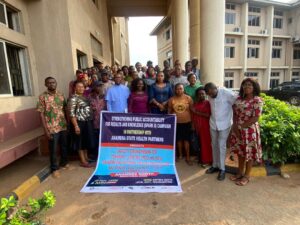
The workshop concluded with participants making a strong commitment to carry out their designated responsibilities with dedication and integrity, all in the interest of their communities. They expressed their resolve to contribute meaningfully to improving healthcare outcomes in Anambra State, understanding that their efforts would directly impact the overall health indices. The commitment was not only towards fulfilling their roles but also toward driving positive change and ensuring that healthcare services are more effective and accessible for the people they serve.