The event began with a heartfelt prayer and an insightful speech by Rev. Fr. Ben Chima Okolo, setting a thoughtful tone for the discussions ahead.
The JDPC Nnewi, in partnership with IBP, COMEN, and CRC, held a capacity-building workshop at Nnewi North LGA under the SPARK 2 project, gathering OICs and WDC chairpersons from Anambra South Senatorial District.
The workshop was described as key to transforming primary healthcare by SPARK Program Manager Onyekachi Ololo. It aims to improve efficiency, accessibility, and quality while empowering local health teams to tackle challenges effectively.
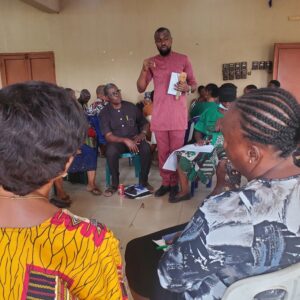
The Training provided essential knowledge, skills, and tools to address challenges and drive transformative change, enhancing healthcare efficiency, accessibility, and quality in their communities. The program aimed to equip participants with a deep understanding of obstacles and opportunities, preparing them to take informed actions for sustainable progress.

The program aims to strengthen the capacity of Ward Development Committees (WDCs) and Officers-in-Charge (OICs) of healthcare facilities across the state, explained Mrs. Ugochi Ehiahuruike, the SPARK II COMEN Consultant. It focuses on equipping stakeholders with the tools, skills and knowledge required to improve the quality and effectiveness of healthcare delivery.
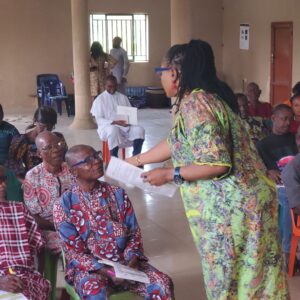
Mrs. Ugochi Ehiahuruike highlighted that the program aims to amplify women’s voices in the community by advocating for their representation in Ward Development Committees (WDCs), fostering inclusive and fair decision-making.
Dr. Ngozi Okeke, Director of Community Health Services at the Anambra State Primary Healthcare Development Agency (ASPHCDA), in a lecture titled “Maternal Health Care in Anambra State,” urged all healthcare officials to work together to reduce the state’s mortality rate.
In her talk on “Current Status, Challenges, and Solutions in Maternal Healthcare Service Delivery in Anambra State,” Mrs. Chizoba Igboekweze, another healthcare official, highlighted challenges such as inadequate remuneration, insufficient funding, and deteriorating infrastructure. She called for greater government intervention to improve the efficiency of healthcare services in the state.
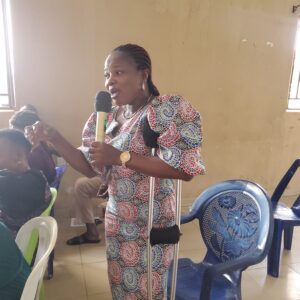
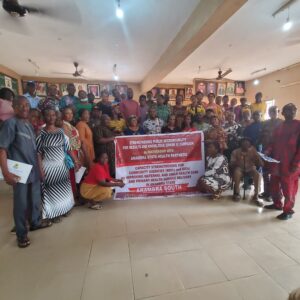
Speakers informed participants about their roles and responsibilities at the facility, local government, and agency levels. Additionally, participants attended sessions on developing work plans and the retirement process for the Basic Healthcare Provisions Fund (BHCPF).